
Vengeance is Mine, directed by Michael Roemer and released in 1984, not to be mistaken for the 1979 film directed by Japanese master Shōhei Imamura, is a film that’s constantly moving and shapeshifting (literally with planes, ferries, canoes). From the first scene, there is this percolating tension that the film is slowly spinning out of control. The film begins on an airplane, with the camera fixed on Jo (Brooke Adams)’s face as the plane is about to land. The unpredictability of Jo’s gestures – fawning one second, smiling the next, sipping her wine and jamming to the background music one moment, leaving her seat and had to be guided back by a stewardess the next – is magnified by Adams’ expressive and contorting face that alternates between opposite expressions so convincingly like she believes in two truths at once. This slow progression of emotions without any narrative context opens the film up for mystery, not in the literary sense, but the openness that anything can happen in the next second. This is right where the film’s more expressive means, specifically the blocks of blues that have been quietly dominating the scene since the beginning – Jo’s sweater, the colour of the seats, the shirt decorated by flowers of the passenger sitting behind Jo – come closing in by surprise and almost take over the sensorial experience of the film for that moment. This opening scene serves as a perfect guide to the next 2 hours and is exemplary of Roemer’s talent for grasping the emotional truth of characters through his keen observations of human gestures but never restricting the film to solely that.
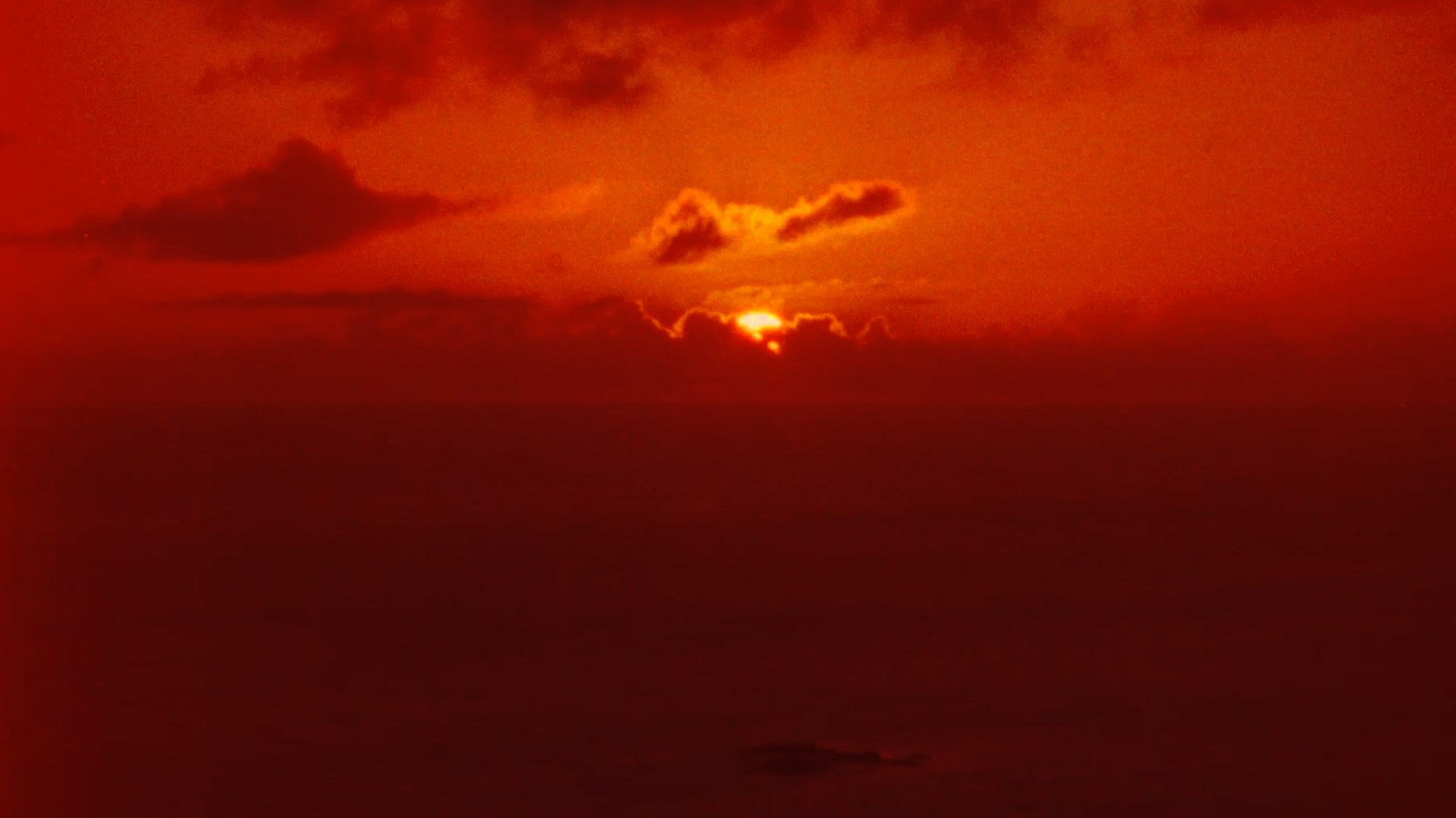
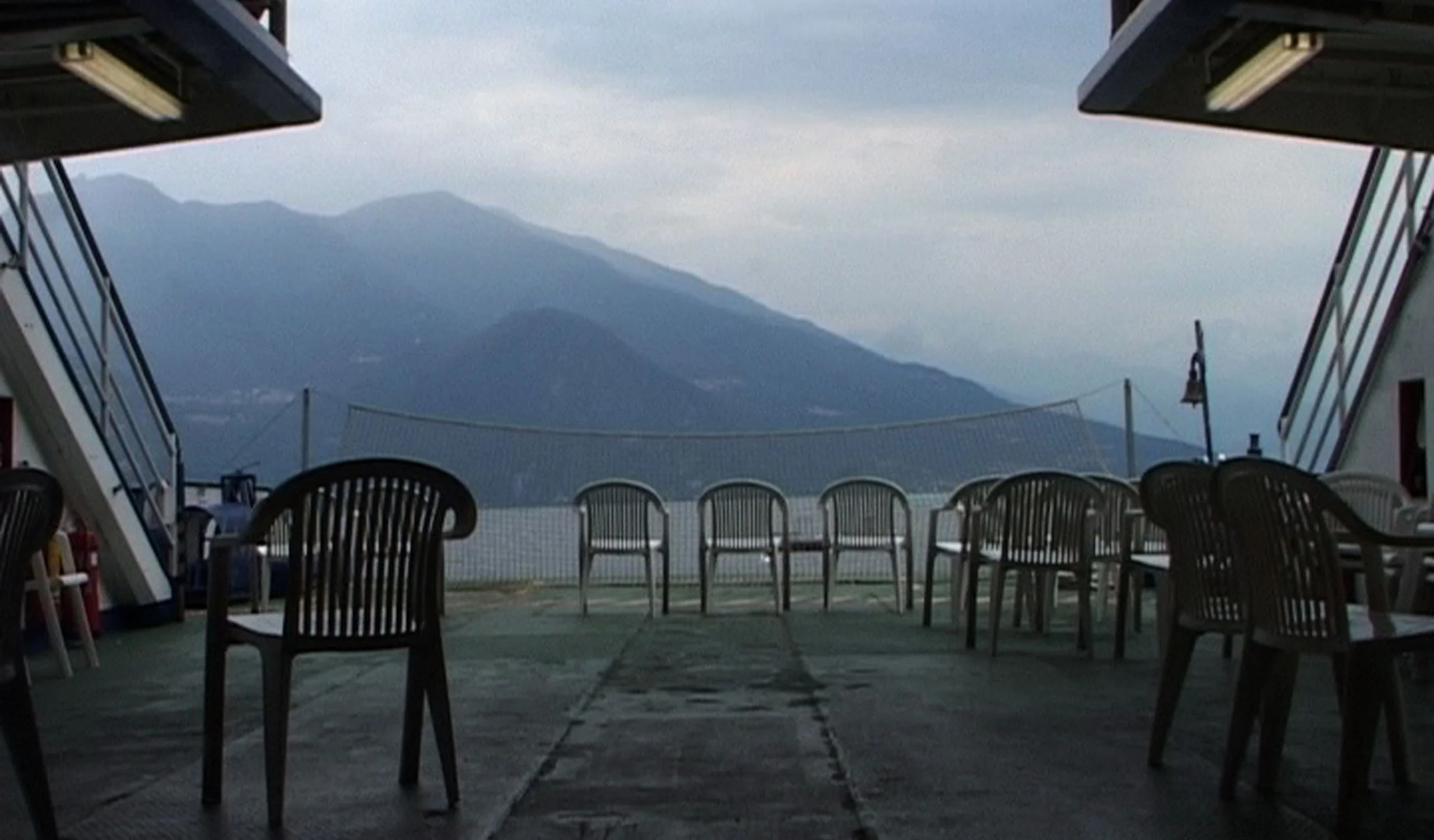
Normally, the design of having a character who’s sad to be surrounded by the colour blue can be regarded as a trite and schematic choice. However, these literal blues are never used in moments to symbolically reinforce existing sentiment; they are always an extra element within the film’s universe that casually emerge at the precise moment. The settings: crashing waves accompanying a ferry to an island, early-morning mist, and some flowers under the balcony of a building, are elements that exist without narrative purpose but the camera’s attentiveness, or in a more voyeuristic term, fixation, on them, shows the film’s universe is simultaneously enveloped in the characters’ psychological while hovering beyond it. The same can be said about how Jo wanders into the central conflict of another family and melds perfectly within their drama. This seamlessness is remarkable throughout. It is very difficult to imagine how the best dramatic scenes, simultaneously bizarre and emotionally precise, were conceptualized. Sometimes the characters say aloud things that’ve already lingered in the air for 5 seconds prior. I love that, because announcing the situation never equals resolving it, and these deliveries magically loosen the surface tension of the scene while applying another mysterious dimension through the gap between things announced and the scenarios themselves – the mismatch of words and percolating intentions and emotions despite them seemingly representing the same things.
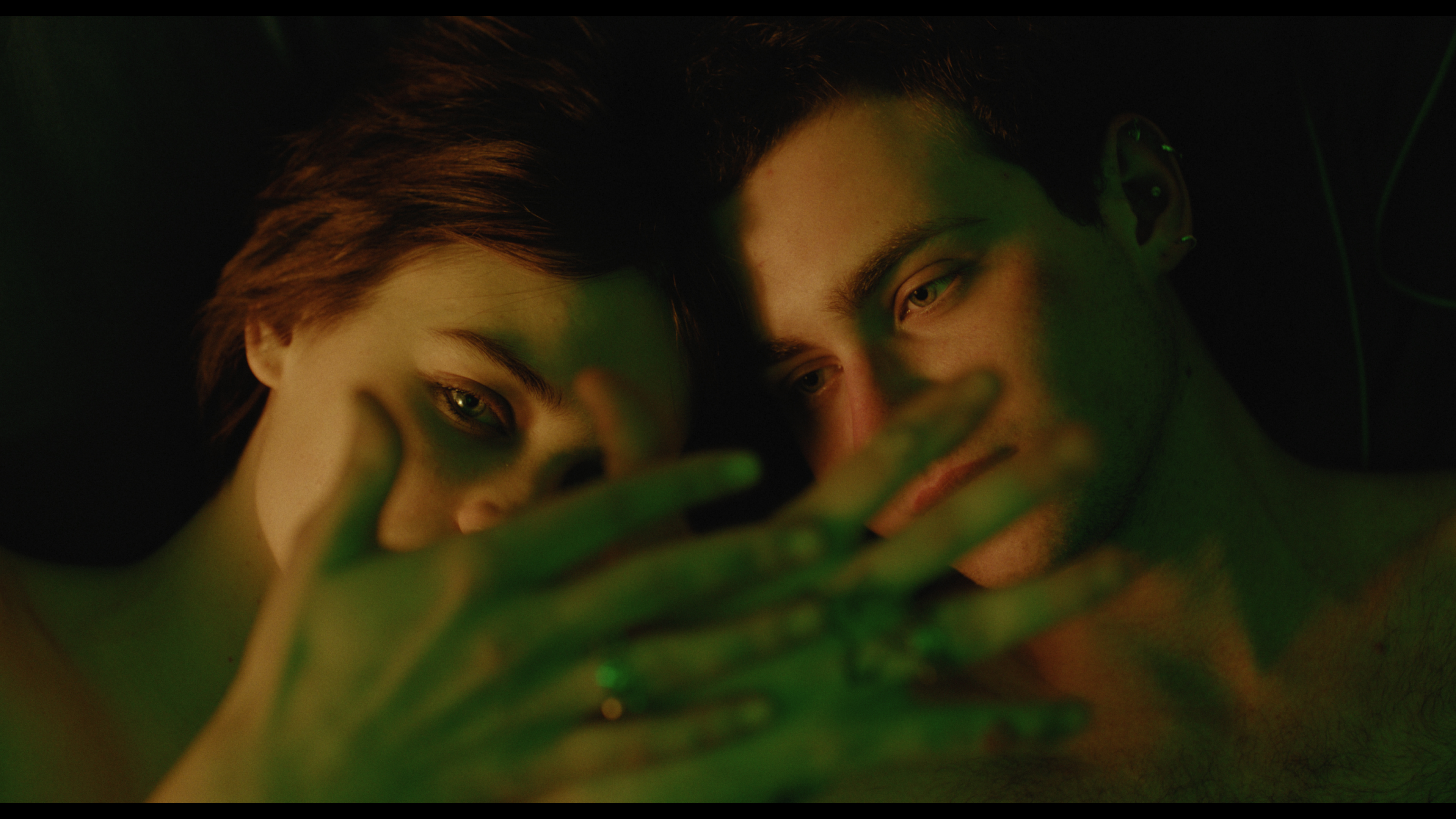
The film often drifts in and out of a loose genre exercise. Character occasionally obtains a ghost-like impression, and the talk of God lingers in the air. But Roemer doesn’t play the metaphorical game with genre. His concerns never lie in the distinction between real and surreal, but contradictions unraveling on the same plane of fiction – the most intimate ones carrying the most resentment; how one can utter love and hate to the same person; hugging someone, the next scene pushing them away, and back again; relaxed tension in the air that can suddenly plunge into brashly and irrationally violent – so these abstract thematic concept can obtain their physical, human forms that are forever impossible to untangle. So when Jo sits on the plane, waiting to depart at the end, the relief and relaxation on her face is not so much related to the narrative, but relief to exit the interminable cycle of fiction itself.
Probably the best movie about minding other people’s business. But one may argue that cinema is nothing but minding other people’s business, so this may just be the best movie.



Leave a Reply