
Nature manifests in two distinct orders that constantly entangle and untangle in Pierre Creton’s A Prince: first, of hortology, and second, of desire. Accompanying this journey is the wayward motion of time and the constant exchange of storytelling perspectives through alternating narrators. The protagonist is Pierre-Joseph, a taciturn student of horticulture who becomes involved in sexual relationships with both his teacher and mentors.
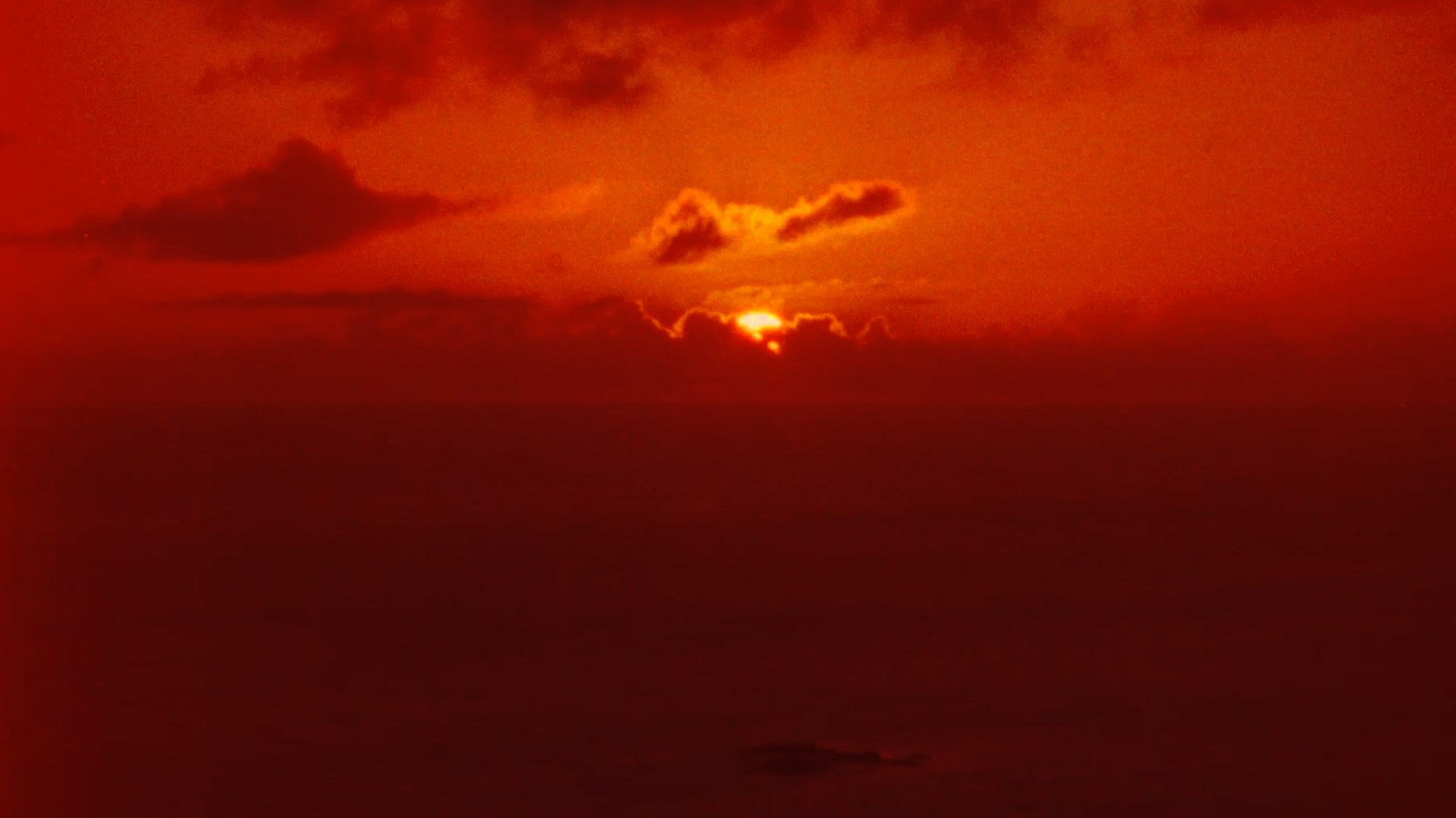
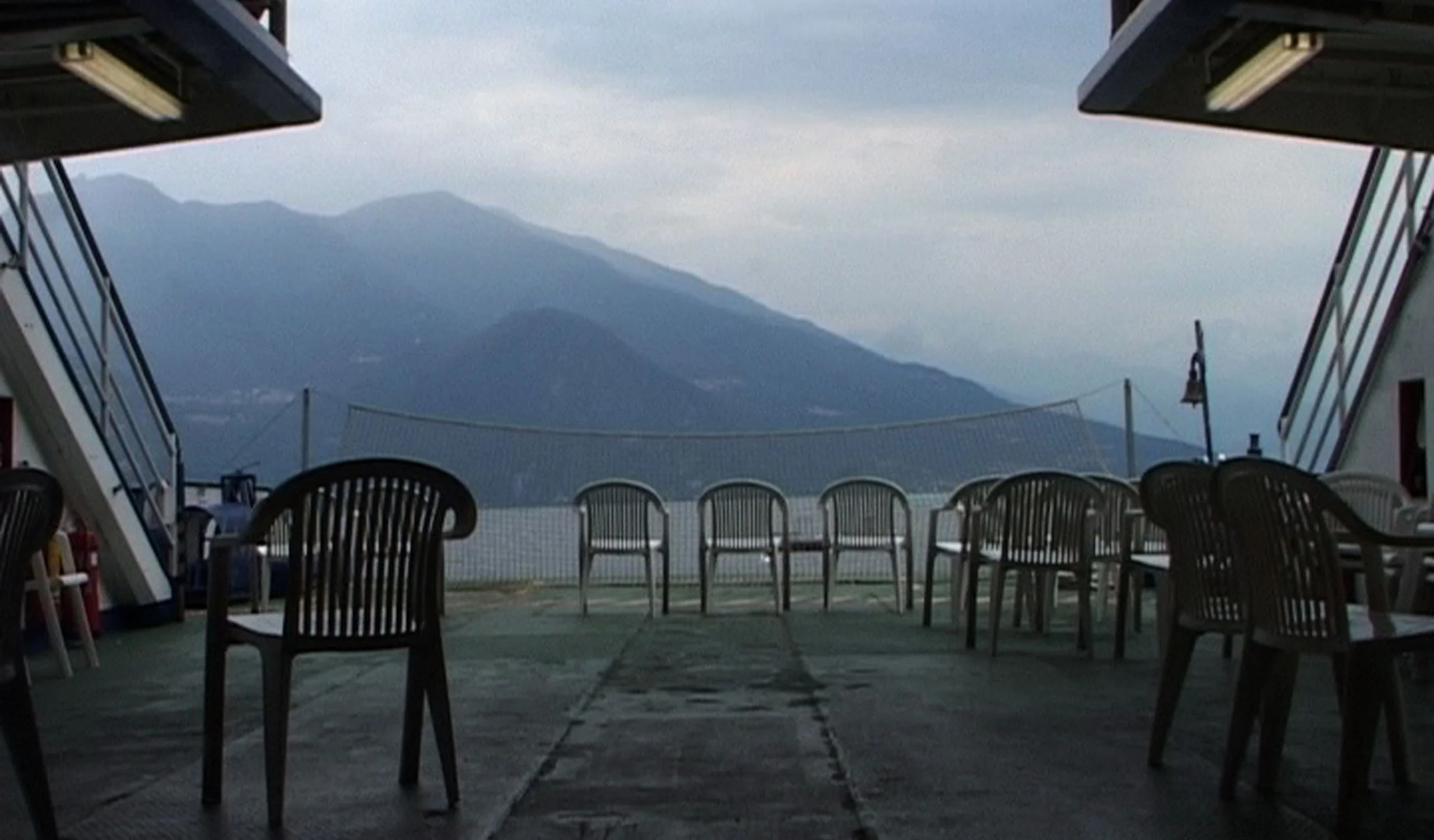
The foremost thrill of watching A Prince, even though its mostly static compositions may not immediately evoke the immediacy of desire or the exhilarating beauty of nature, is the ambiguities arising from how it drifts through its temporal and narrative frameworks. In the opening shots, we see two low-res compositions: one of mountains and the other a low-angle shot from what appears to be a temple in the mountains. Where are we? The answer is not given as the film cuts to the title card and follows it with another series of compositions, this time digital, of a woman maneuvering across bare terrain and digging up plants. We hear narrations, the beginning of the story, of fiction, and we see the woman sitting against large open windows, reading a book. Does the text from the narration come from that book, and is it the reader the voice of the narration? The matter of whose story is being told and who is telling it, the two bases of how narration functions in a film, is consistently challenged as the voice in the narration switches to the deep voice of a man who, at times, takes on the first-person perspective of Pierre-Joseph, at times describes him in third-person, and sometimes becomes the first-person voice of his mentor or teacher.
Why is the matter of narration so exciting to hear? Well, we are basking in the ambiguity of who and where the voice is coming from; is the audience the posterity being addressed for which the images onscreen act as a peripatetic tale of the past? During the narration, we also sense that the narrator and the person do not possess the same voice, despite them purportedly being the same person. There is also a contrast between what is said and what is shown onscreen, between Pierre-Joseph’s self-description and others’ perceptions of him. He attributes his isolated and quiet personality to his upbringing in the suburban areas and parents who seek control of him. This sense of emotion becomes more evident when he remembers being treated with verbal violence from his parents, and this piece of narration is accompanied by a scene of him and his parents sitting silently at the meal table, where he blankly stares at his mother finishing her soup. Despite the scene not actually showing the violence, the suspense is found in this meal table shot through Pierre-Joseph’s own words, where a comic and suppressive tension percolates. His mentors and teachers, however, appear to be fascinated by his unique persona, according to their accounts, which describe him as almost an exotic, rare plant species.
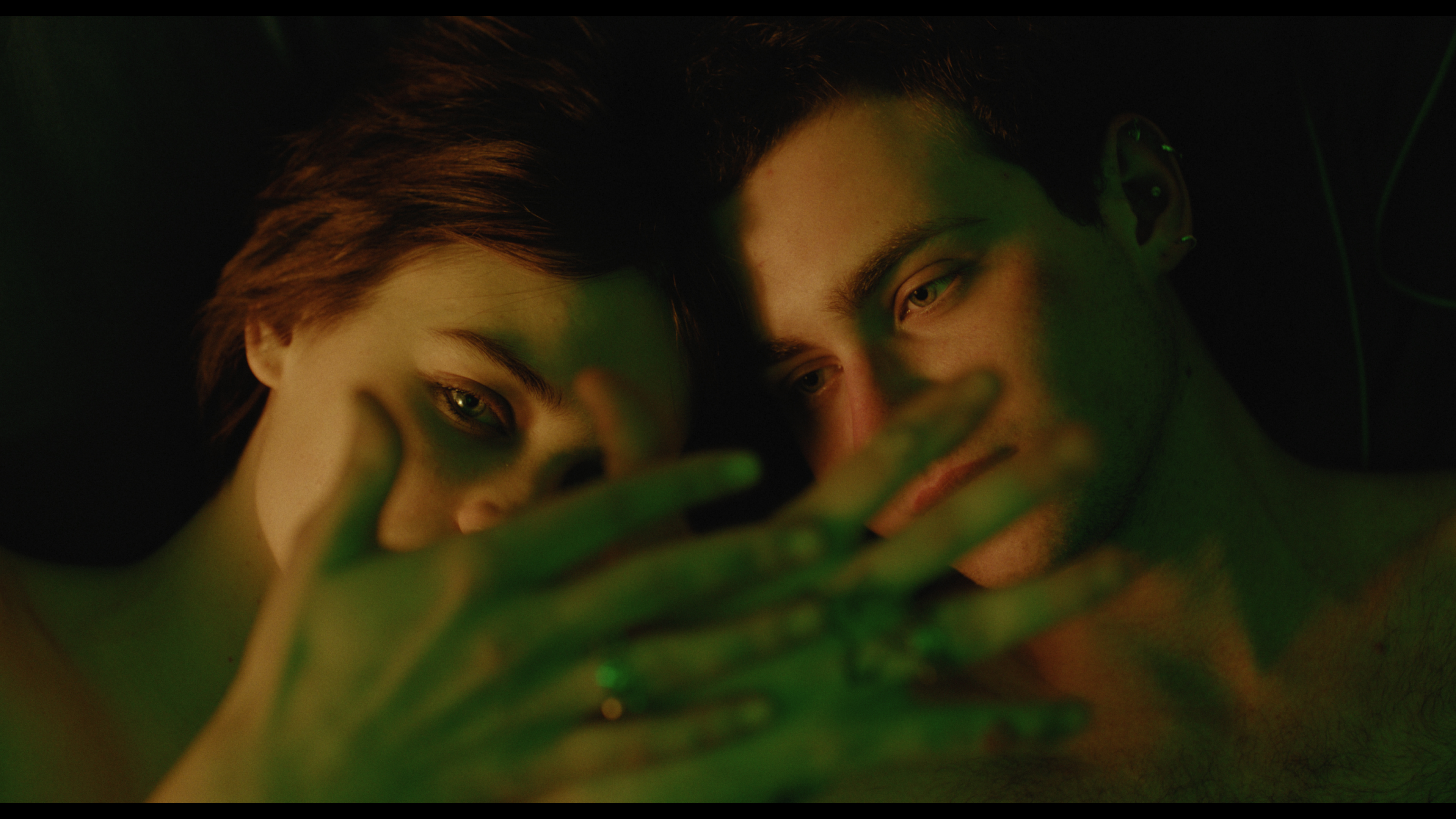
Among the most obvious connections between men and nature is how Creton and his cinematographer team (consisting of him, Françoise Lebrun, and Grégory Gadeboois) film and juxtapose bodies and plants within the same frame. Their interests are not didactic, producing images that underline and announce their thematic interests at every moment and denouncing the spontaneous possibility of time, but predicated on coexistence. What is a carshield window but an innate physical tool that allows the film’s plastic to show flowing tree branches superimposing two men sitting quietly in the backseat of a car without the material of the film actually performing the superimposition? There are also the images of bodies lying amongst the greens, both in perfect stillness, suspending time.
Their lighting does not exaggerate the scenery. In both the orderly interior locations and the exterior garden, natural lighting is favoured so the sensorial pleasure is not immediate but rather found through the gradual enveloping of the scenes themselves. There is a dryness in how the mundane actions – the film mostly consists of those – unfold and follow one another that complements the passionate scenes. Creton is not working through juxtapositions but rather through a calm realm of naturalism, exploring how desire manifests in quietude, much like our quotidian activities, which are ultimately washed away by the tide of time.
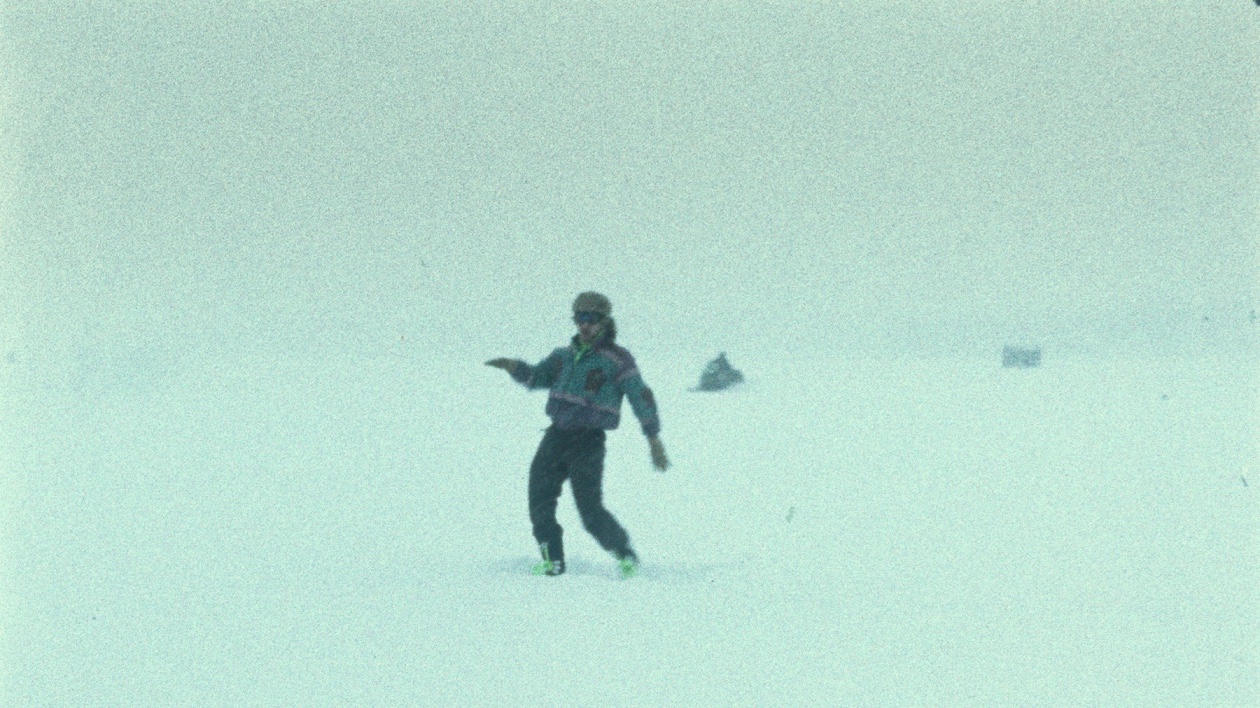
Creten places his most ambitious gambits near the end of the film. The first is a rather tender transition of time that may have played horribly if not for his thoroughly developed naturalism. The second, a tad over-the-top expansion into the mystical realm that really hits on the themes of nature and carnality. But Creton always remains playful with his images and never settles his subject at hand to a matter of personal therapy or bombastic gestures.



Leave a Reply