-
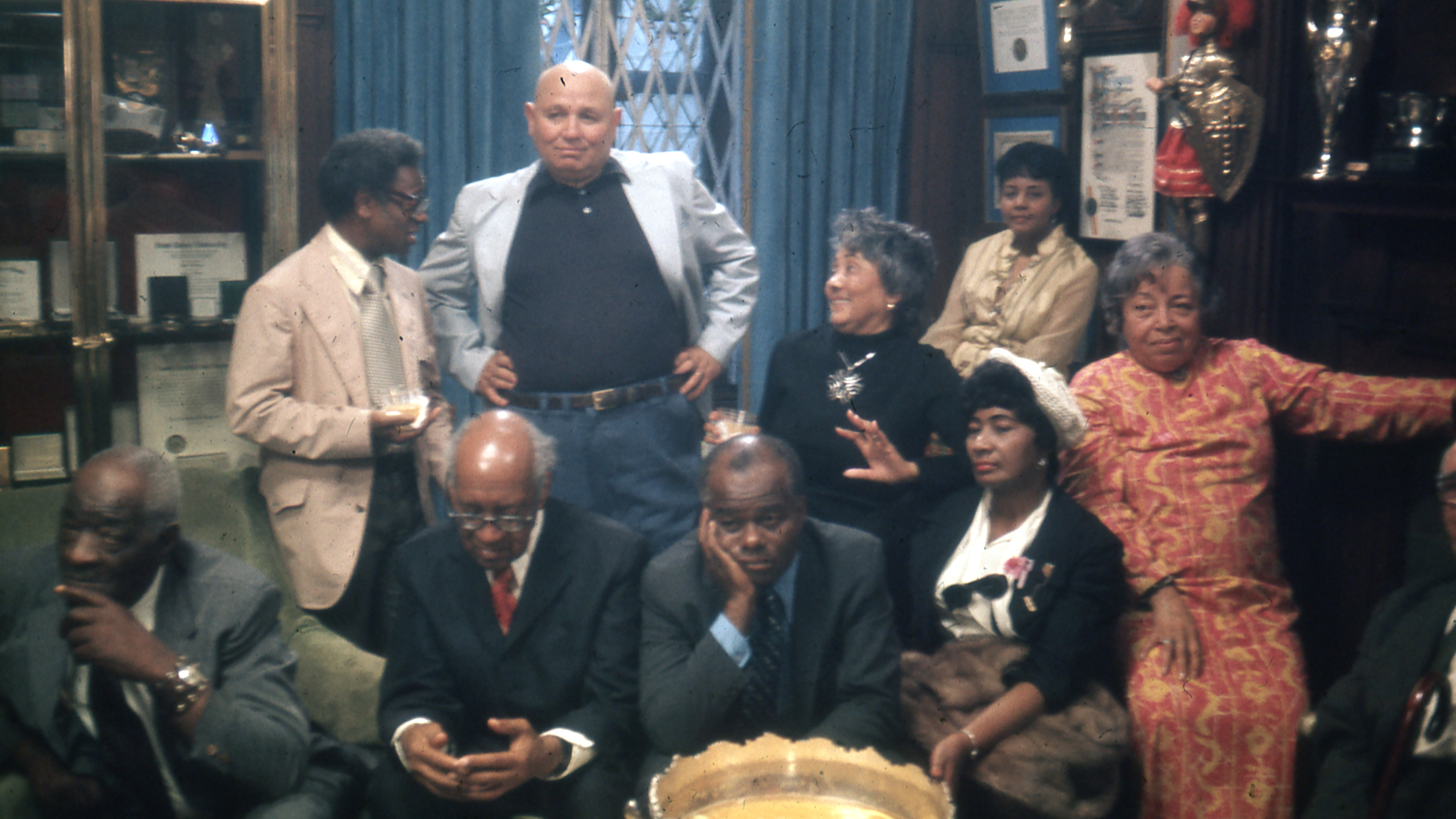 Continue reading →: TIFF ’26 Once Upon a Time in Harlem
Legendary documentary filmmaker William Greaves conceived Once Upon a Time in Harlem decades ago – a literal assembly of legends. In the film’s opening, we see a typewriter typing out the letters Greaves sent to members of the Harlem Renaissance, inviting them to a party at Duke Ellington’s townhouse; it…
-
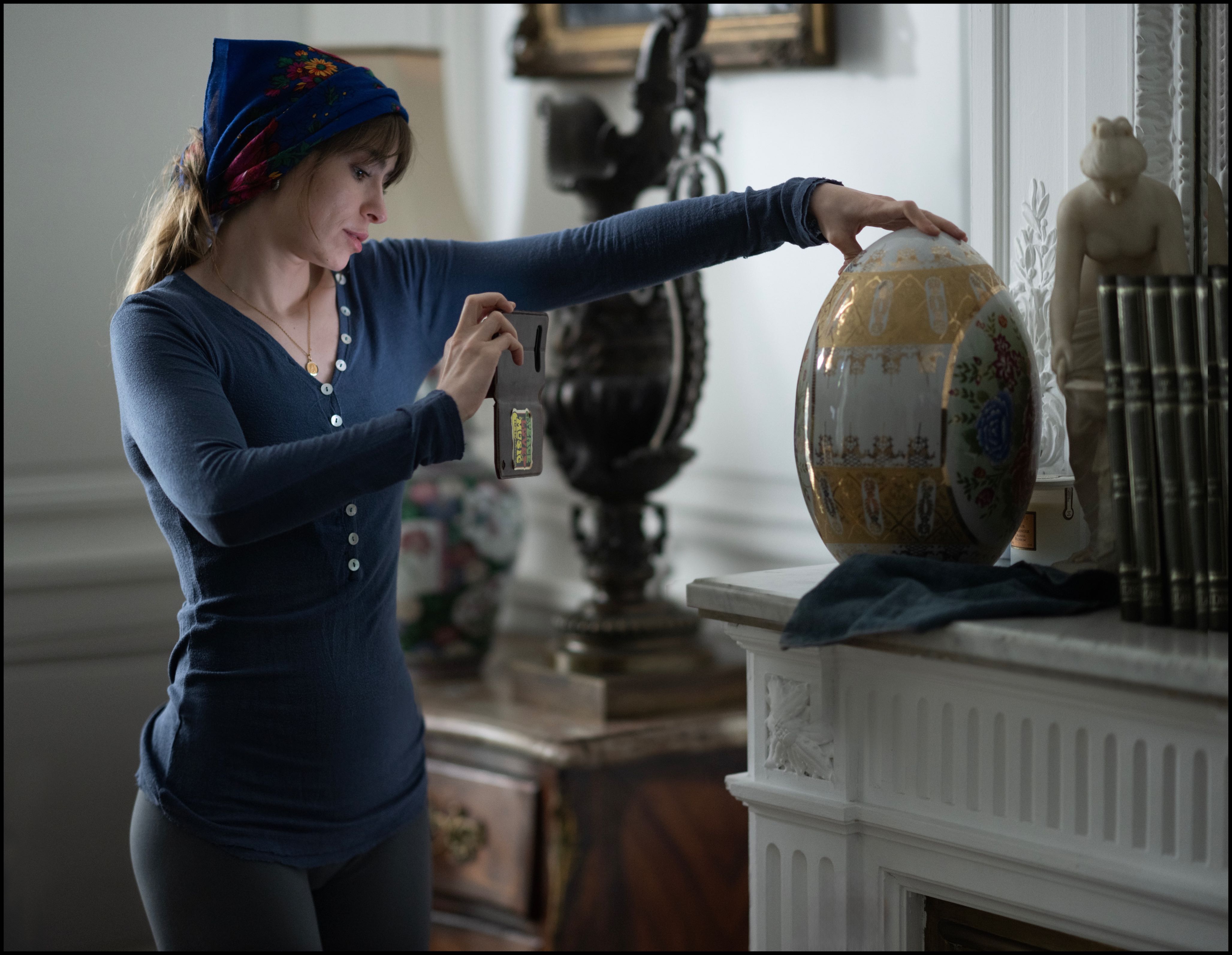 Continue reading →: TIFF ’26 The Diary of a Chambermaid
As one of the few – maybe the only – major international directors who unabashedly depict the daily lives of service workers in his cinema, it feels inevitable that Radu Jude would direct an adaptation of Octave Mirabeau’s “Diary of a Chambermaid”. The novel has been adapted for the screen…
-
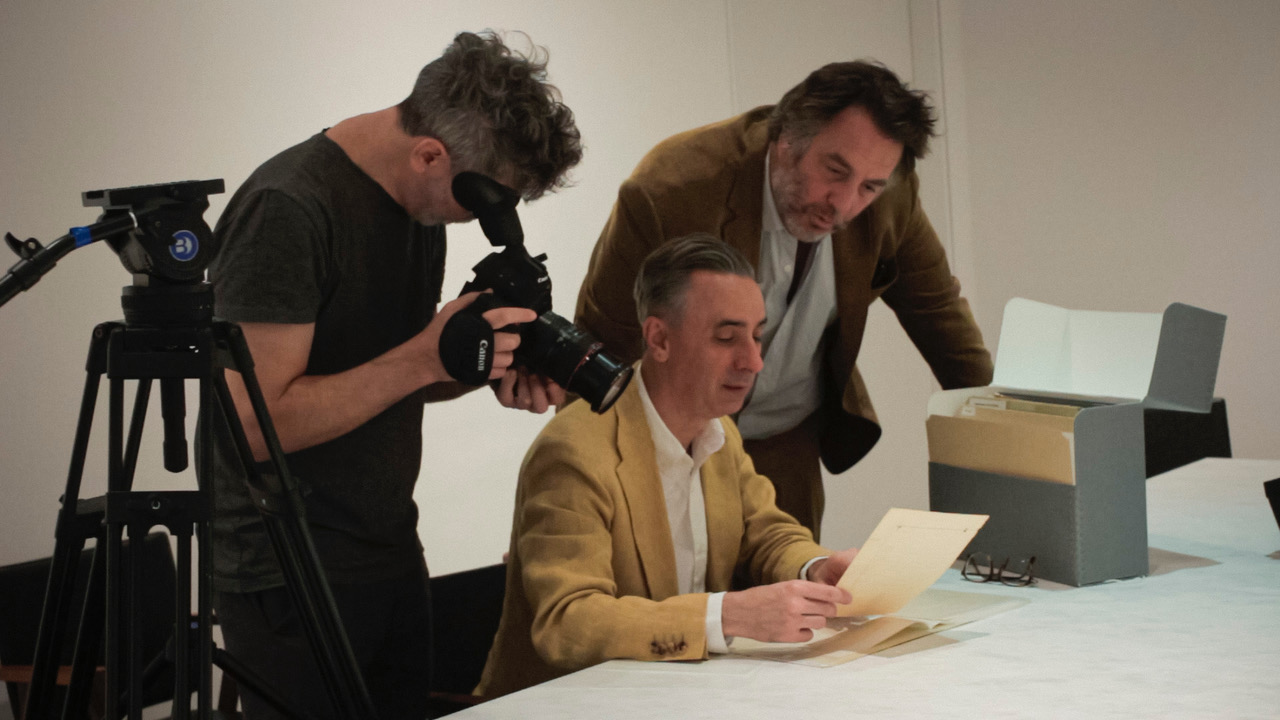 Continue reading →: TIFF ’26 Life of Jorge Luis Borges
A question proposed by Mariano Llinás, the director and narrator of Life of Jorge Luis Borges, sometime close to the beginning of the 5.5-hour travelogue, is whether the Argentinian writer has deliberately left clues in the artifacts about his life for posterity to rediscover, piece together, and formulate his own…
-
 Continue reading →: TIFF ’26 London
A strange and wonderful phenomenon at this year’s TIFF is re-encountering old, familiar faces in cinema. In Valeska Grisebach’s The Dreamed Adventure, when Saïd, played by Syuleyman Alilov Letifo, opens the film with his travel-worn face full of smiley wrinkles, one instantly remembers his Adrian in Grisebach’s 2017 film Western;…
-
 Continue reading →: TIFF ’26 The Remotes
During her introduction for the world premiere of John Torres’s narrative feature debut, The Remotes, Wavelengths programmer Andréa Picard described the filmmaker as the poet of Filipino cinema; Torres himself, half-jokingly, said during the Q&A that this is his first “real movie”, the kind that his mother has always wanted…
-
 Continue reading →: TIFF ’26 All of a Sudden
I find Evil Does Not Exist the most appropriate film of Hamaguchi to compare, because both examine the structures laid down by late capitalism, and the events in Evil Does Not Exist feel like physical manifestations of Mari’s whiteboard sketches. Hamaguchi takes radical leaps of faith in both films, but…
-
 Continue reading →: TIFF ’26 The Black Box is Orange
“I’m not sure how others perceive memory. Memory appears as a picture for me,” said director Yuula Benivolski as she recalls her childhood town, Shlomi, in her directorial debut, The Black Box is Orange, a personal essay split into 9 chapters and an interlude. She is not lying, as the…
-
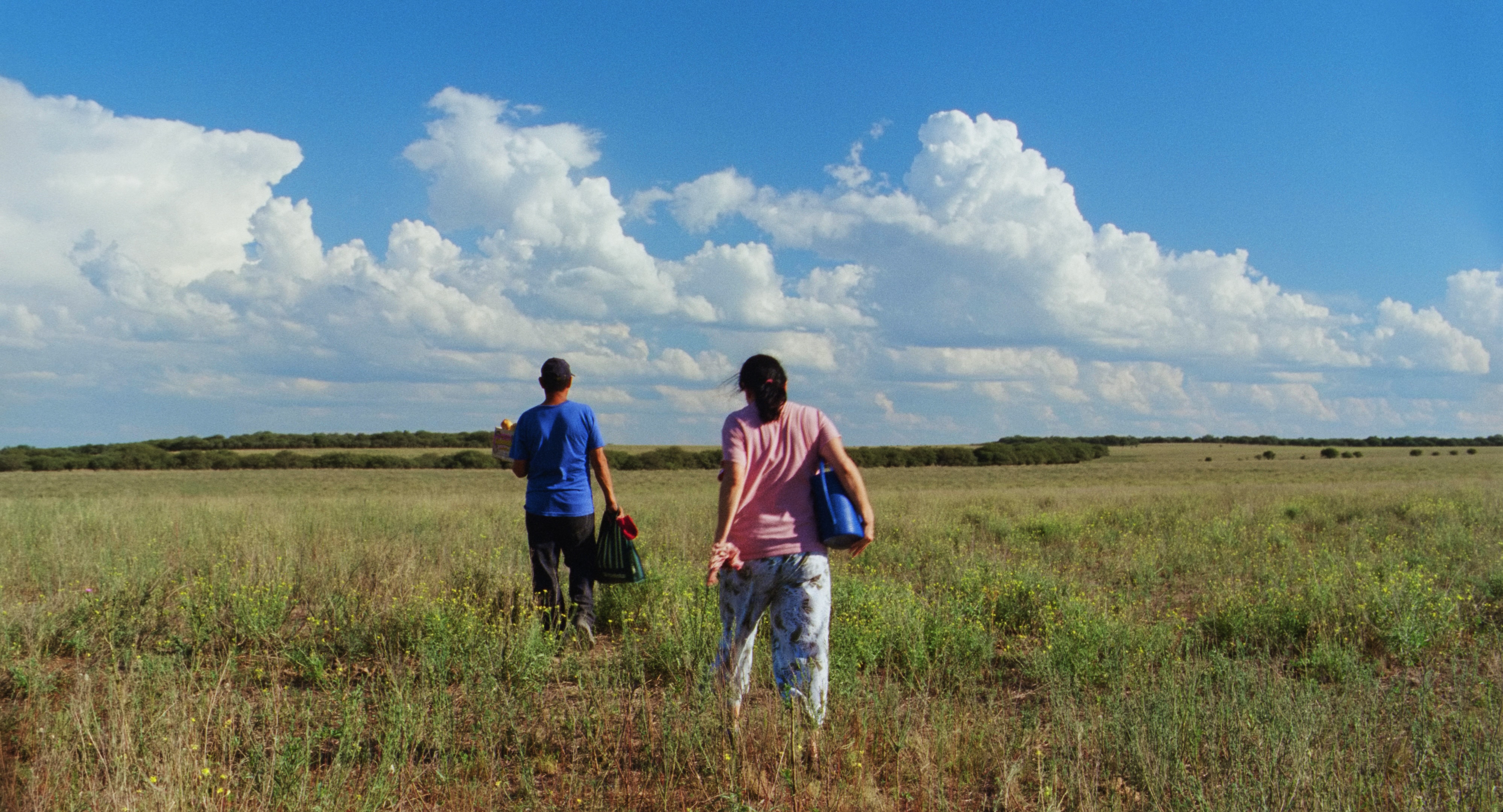 Continue reading →: TIFF ’26 Double Freedom
It’s been 25 years since Lisandro Alonso’s La Libertad. This fact has been frequently repeated when discussing Double Freedom, a sequel (remake?) to the 2001 film that left a distinct footprint in its corner of cinema. It also feels like an important one to mention – the passage of time…
-
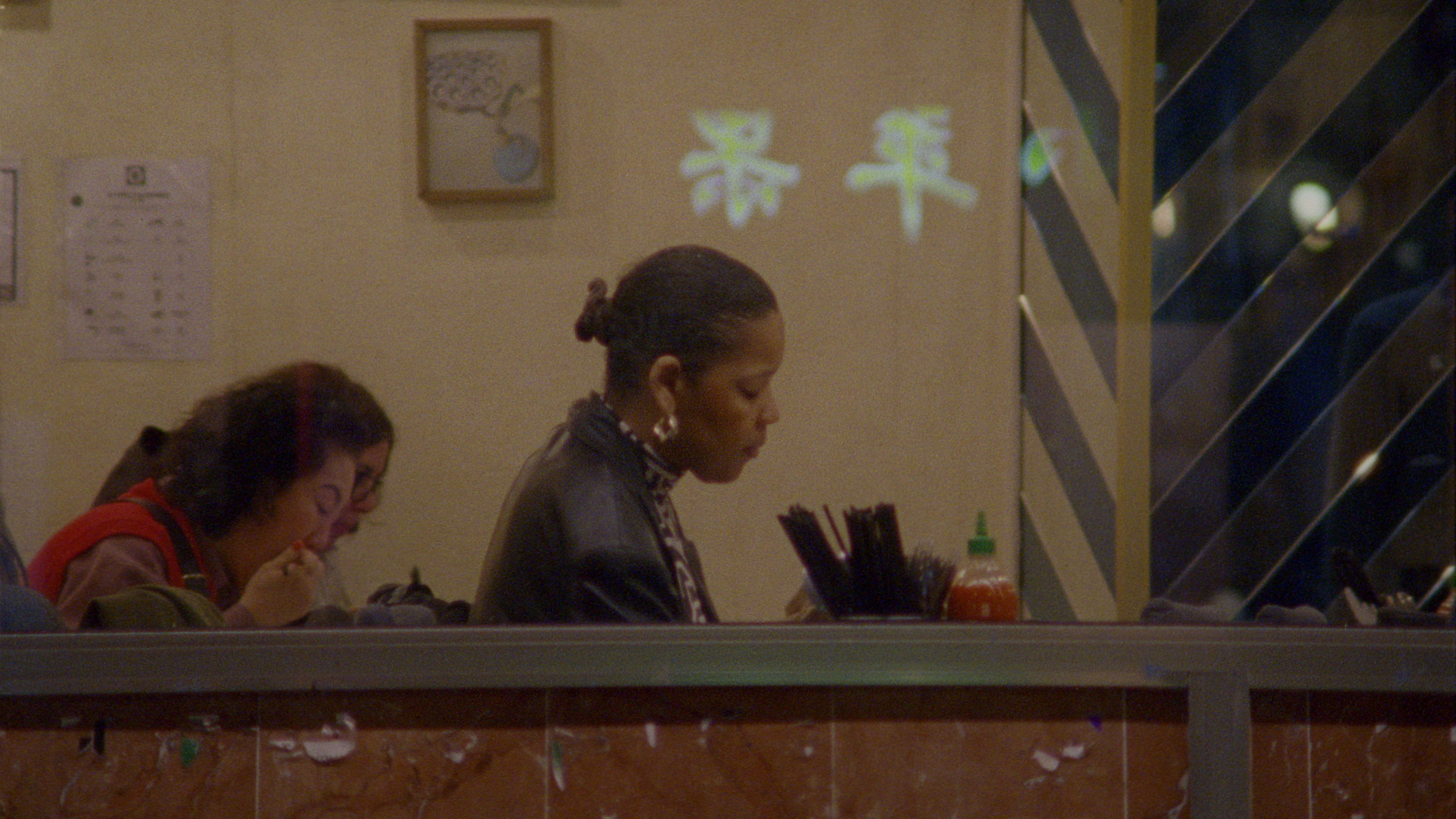 Continue reading →: TIFF ’26 At Night
Beatrice Gibson’s debut feature, At Night, after a dozen or so short films, seems to stem from an imagination of the subway as a collective space and infinite fiction. It’s like taking the subway, briefly glancing at others around you, and creating a narrative from a few minutes of their…
-
 Continue reading →: TIFF ’26 My Wife Cries
At the beginning of German director Angela Schanelec’s 11th feature, My Wife Cries, a construction worker, Thomas, enters the frame and conveniently sits down on a chair at its centre; he is waiting for his crane to be fixed. When he begins conversing with two female offscreen voices, the composition…
Welcome to Cinema Travelogue

If we consider the overview of the world of cinema as a map, then the voyage to connect the scattered dots in between is what we’re invested in. Serge Daney once described voyage as ‘without luggage, totally self-sufficient in his dispossession’. Being a citizen of world cinema is to abandon the luggage of predefined cultural expectations and meet each film and each filmmaker on their own cinematographic terms. If you are down for this journey, please consider subscribing to this travelogue.
Tag on for the ride!
Stay updated with our latest weekly reviews of classics and new releases
Contact Information:
| M | T | W | T | F | S | S |
|---|---|---|---|---|---|---|
| 1 | 2 | 3 | 4 | |||
| 5 | 6 | 7 | 8 | 9 | 10 | 11 |
| 12 | 13 | 14 | 15 | 16 | 17 | 18 |
| 19 | 20 | 21 | 22 | 23 | 24 | 25 |
| 26 | 27 | 28 | 29 | 30 | 31 | |