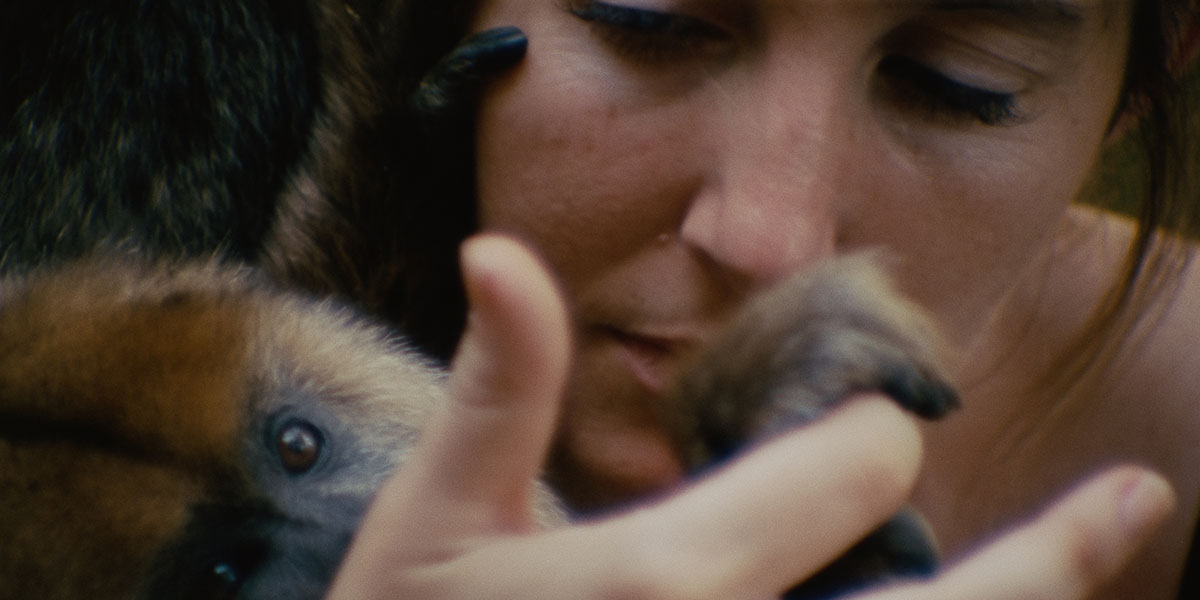
For every 10 movies at TIFF about Naomi Watts befriending penguins, there’s a movie like this that warms my soul. Jessica Rinland’s experimental documentary Collective Monologue is interested in interspecies connection and the layouts of infrastructural compounds formed around humans and animals. Its title refers to a theory by Jean Piaget, where children communicate amongst themselves without engaging in effective conversations. Filmed within several Argentine zoos and eco-parks, this concept is most evident through the contact between zookeeper Maca and the various animals she feeds, caresses, and patiently tends. She speaks to them in human language, and the animals respond as if they actually understand her.
Rinland’s lens contains a ubiquitous style of harmony, evidently captured in 16mm through her universally intimate focus on the bodies of the animals and the humans nurturing them. The people and animals in the zoo are given equal emphasis. The animals’ close-ups garnered a lot of laughs and awe during my screening, such as an elephant soliciting more carrots to be fed and a baby anteater being bottle-fed. Their tactile presence brings out a formidable feeling of peace and tranquillity within me. A similar style is applied to the humans. When a group of visitors listens to a tour guide explaining the history of the zoo, we see close-ups of their hands, the same as we see the close-up of an elephant trunk in a previous scene.
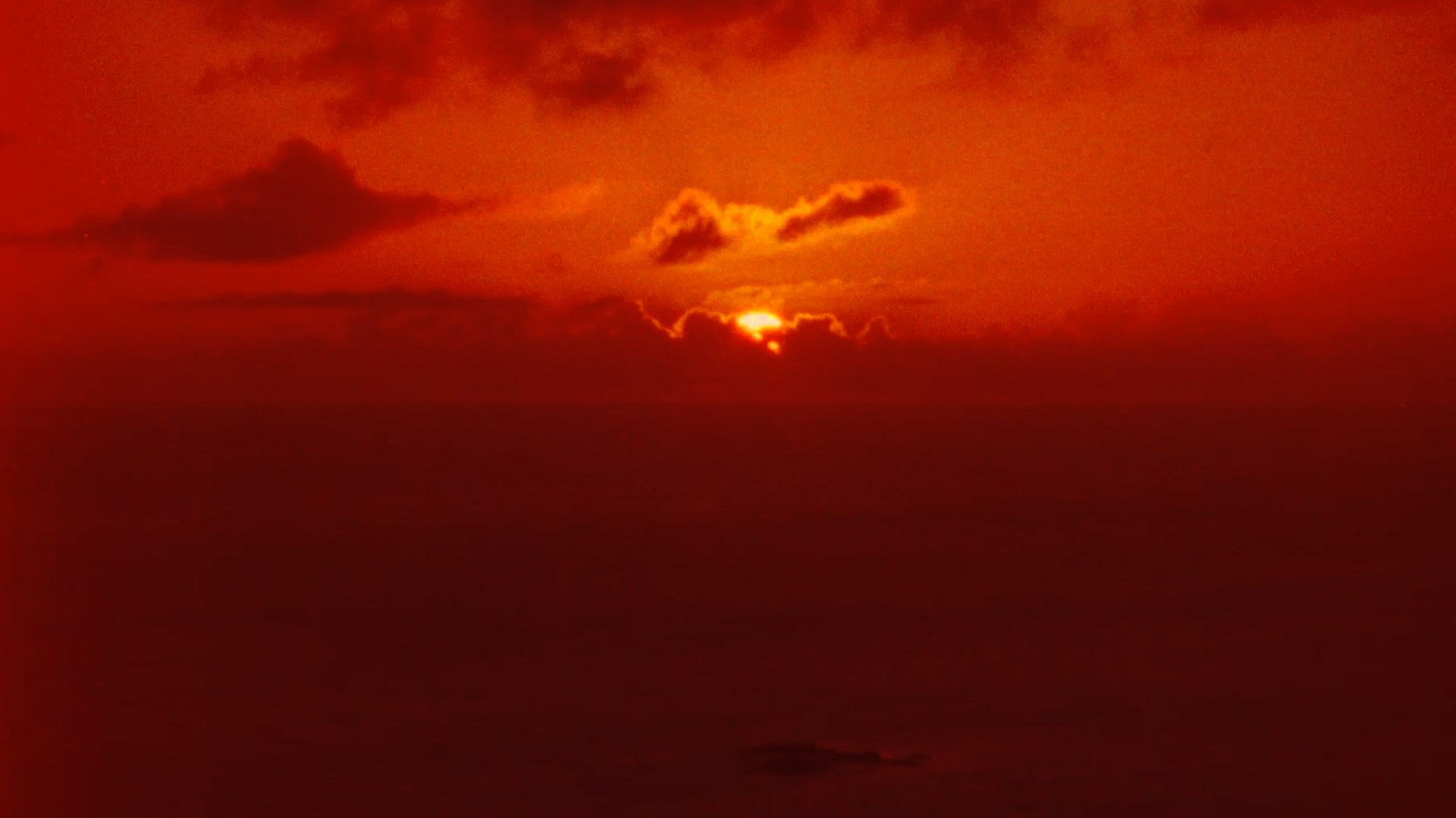
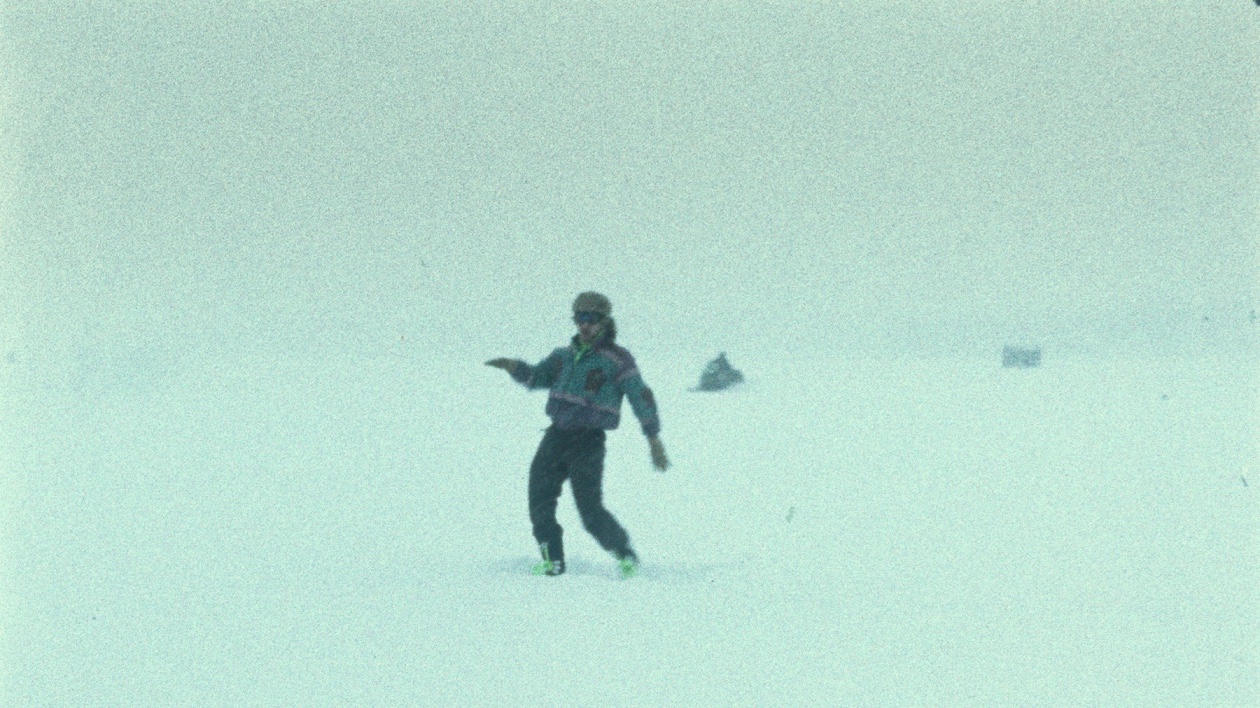
However, the film does not depict a utopia where humans and animals are playing on equal fields. Through Rinland’s quiet but revealing observations, we see tortoise shells marked by numbers, anteater knocking over a night vision camera, and bars and cages surrounding every animal. Through passages of historical preservation, the film reveals complex histories of worker strikes, accidents, and animal exploitation within these Argentine zoos. Rinland’s thesis of interspecies harmony is thus not an advertisement for the animal exhibition industry but an active statement that animals require greater care and attention from dedicated people, a voice in advocacy of harmony, empathy, and diligence. There’s a gorgeous moment near the end that subtly discerns the difference between a zoo and real nature – a captive space vs. free space – that is one of the most awe-inspiring and spiritual sequences of the year.
Jessica Rinland also pays attention to the workers within these spaces, modulating between intimate close-ups, surveillance footage, and quiet scenes of pure observation. This seemingly passive style revokes a form of respect for the diligence of people like Maca and the workers restoring architectures, a perspective that watches and respects the work instead of making inferences. It captures the minute essence of maintaining and restoring a historical site and the maternal responsibility of being in the moment. This is a film that makes a case for genuine care and connection between species while still understanding the obstruction, hierarchy, and exploitation that are unavoidable in a space like this.



Leave a Reply