You Dreamt You Saw Yourself but Couldn’t See Your Face – Shireen Seno
The central subject of the camera is a lake, and the handhelds vagrantly glide through its minute segments to observe the undulation of ripples and how fallen leaves flow across the surface. But the lake is not just a lake; it embodies the idea of place, hinting at experiences and memories unknown to the audience. The first few minutes of the film are accompanied by a whistling sound, and in a few shots we glimpse the presence of an old man. Later, through superimposition, photographs appear at the bottom of the lake. It seems tangible, but because it doesn’t physically coexist within the lake, the stick reaching into the water can never come into contact with it. Seno seems to be working in the register of that fragmented memory, of how different ages converge through the idea of a place. We see the backs of a child’s head and an older man’s; are they the same person? The film provides no concrete answers. There are sensorial pleasures to be found in how the lake is filmed, but elusive sentiments do dominate at the end.
A Man Jumps into the Water – Nicolas Zuckerfield
There will forever be a dissonance between one’s description of a film – its subject, the colours and shapes within the frame, the movement of a camera – and what the film actually is; no matter how detailed one’s description is, a film suffers a significant loss without being in contact with the physical eyes. Zuckerfield leans into this idea in his short, A Man Jumps into the Water, but instead it’s about the distance between a filmmaker’s ideas and what he wants to film, versus what he actually films. The central subject is a man who jumped into the Palermo Lake in December 2024 and has since disappeared. The film treats his physical absence as a giant void in its middle. We see tracking shots surveying the pedestrian area around the lake, as well as individual vignettes of the area. Voices describing details around his evanescence and his physical details accompany the images, but we never see him or know what happens. As a documentary, what is given is what one can film; Zuckerfield is thus contemplating how the objective world can intrude into the cinema.
A River and A Queen – Miriam Martín
Martín provides an overview of Tierra de la Reina through a series of static compositions of its sinuous mountain range, bifurcating rivers, forest, and residential housing. These images are often paired with a quick, toneless voiceover about the political history and tensions surrounding the land. The voiceover is so far that I begin to wonder if she is actually critiquing the futility of depicting a place on film in this manner. The use of music also kind of reinforces this idea. At the beginning, music guides the tracking shot as it observes the mountain range from a distance. In the middle, there is a montage in which each cut corresponds to the sound of a bell ringing. But in the end, when the music starts, and one would expect it to guide the film into the end credits, it abruptly stops, and we are treated to a silent and static composition until the end of the film. The overall project feels too dry to function either way. If this is a kind of irony, then its amusement has escaped me.
The B-side of Landscape – Philipp Hartman
The duality of the observed and the observer. Hartman’s work won the main Flash competition prize, and it is a deserving prize. For one, The B-side of Landscape seems to be the only film amongst the line-up – maybe except for Creton and Jude – where the film manages to operate under a formal project while what’s actually within the frame manages to retain a liveliness beyond the visual plans.
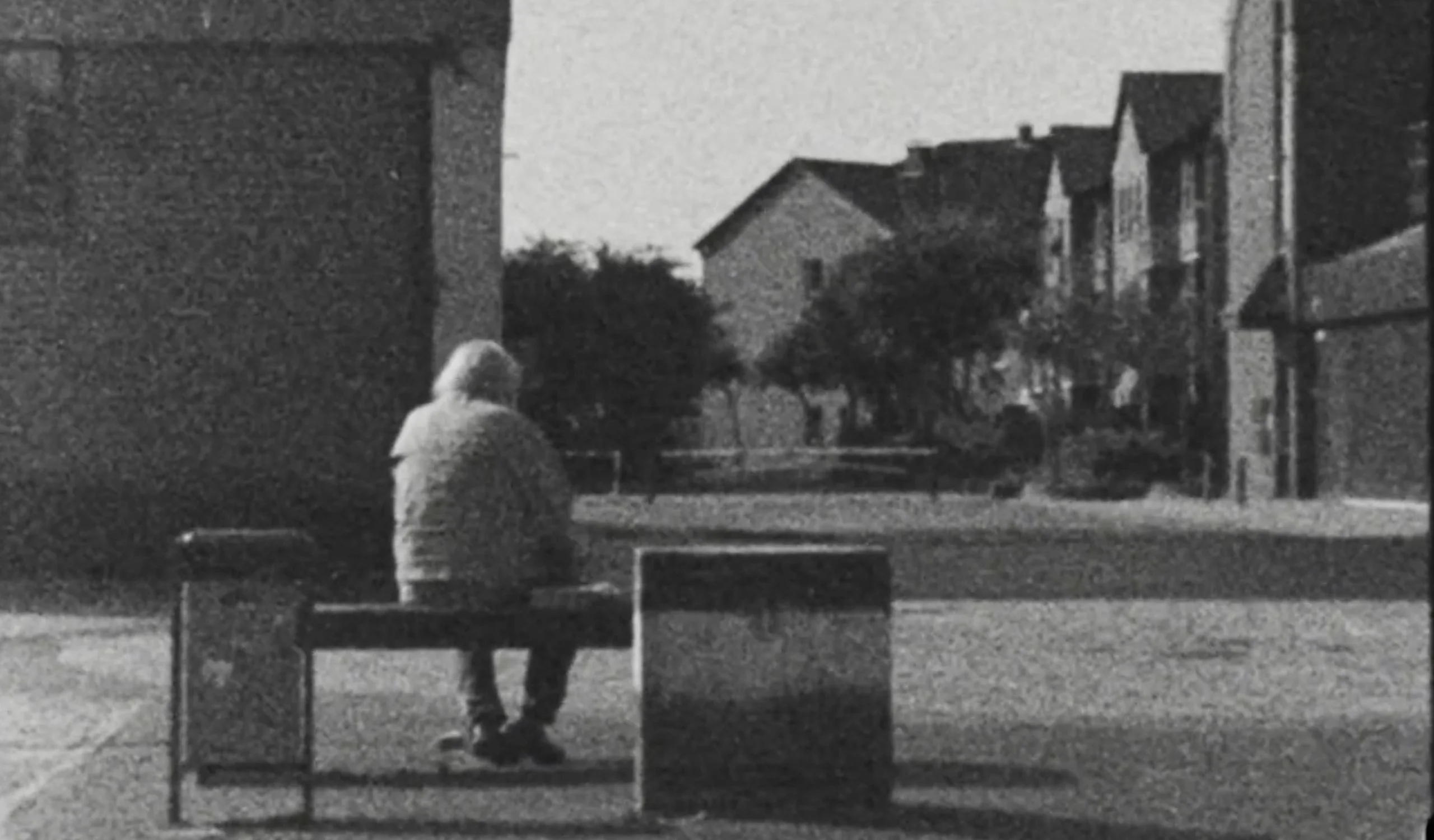
The project has a lot to do with the voyeuristic quality of the camera; it frequently wavers between following the actions of the central character, an aging filmmaker waiting for his wife, who teaches drawing, in and around the parking lot of a supermarket, and his observations and recordings. As a film about waiting and aging, the film is not overwhelmed with the idea of enervation; its most invigorating aspects are the constant alternation between perspectives, which at times correspond with switches from grainy, black-and-white, 16-mm to colourful digital footage, and the change in film textures adds a kinetic energy to the film every time it occurs. The observations – whether subjective or objective – are compulsively watchable, like a man finding all his coins from his pockets, two old men chatting on a bench and a young lady joining in later, or a woman returning her cart. What normally would be neglected as possible cinematic subjects – the occurrences within a regular supermarket plaza – come to the forefront because of the role of the protagonist. Several times, he leaves long voicemails on his phone, but the lack of subtitles makes them incomprehensible, adding a layer of detachment to the overall experience. For the old man is described as once being a filmmaker, one wonders if interchanging perspectives is due to his compulsive need to film- à la voyeurism rushing back to him. A work that seems to come out of a mentally decayed Hitchcock.
To Become Ghost – Nate Lavey, Michael McCanne
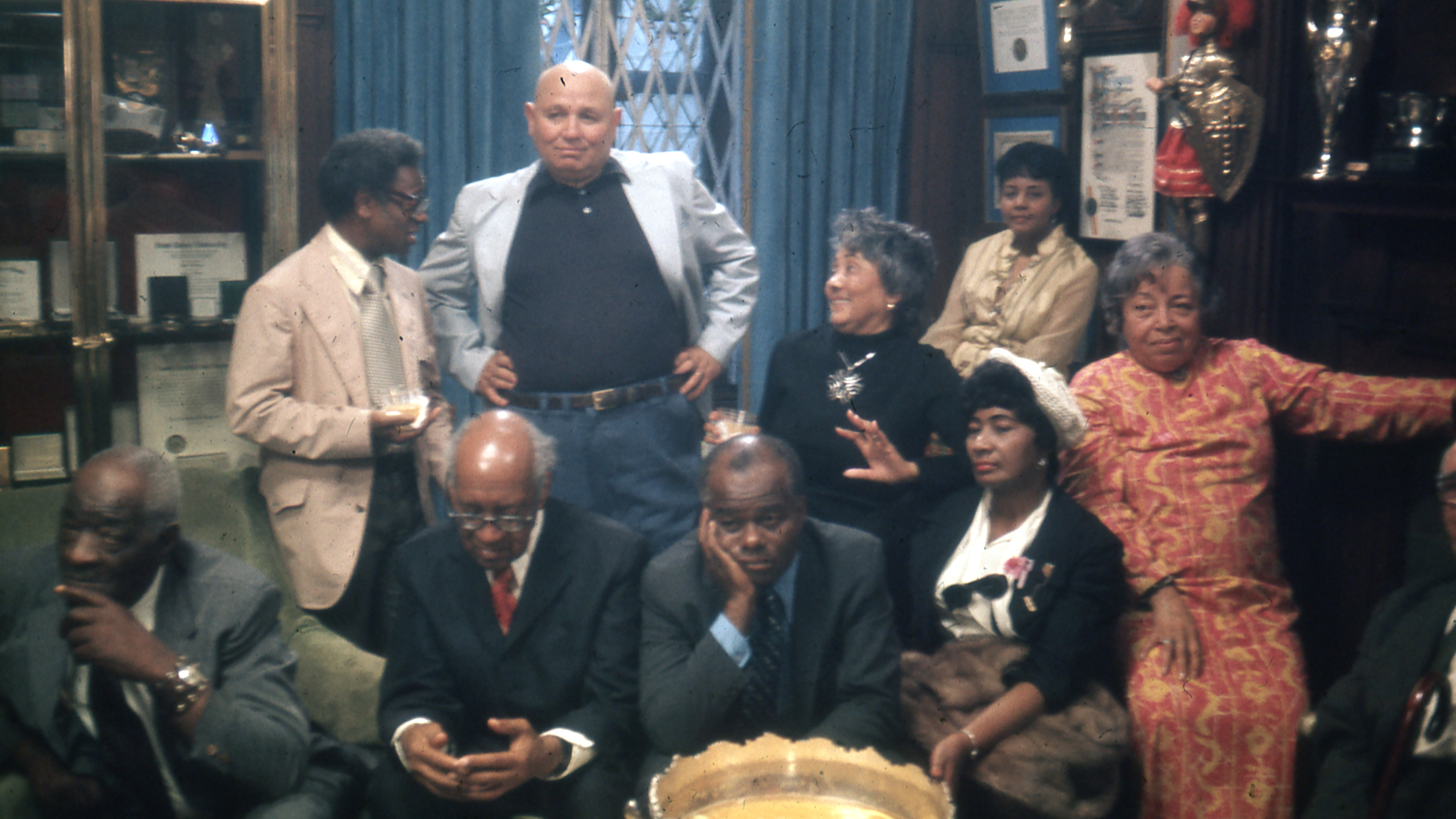
The filmmaking duo described the film as Brechtian. This idea can be sensed immediately in the first scene, not only through the actors’ performances, but also in how they are staged in the liminal interior space, like how they would be on a stage: their faces facing the camera, lined up to create a planarity that removes depth from the composition. The lighting choices, how balance between light and shadows within the frame always results in a geometric shape too perfect, making the composition self-evident. The filmmakers pulled this quote from Brecht in their interview: “It is up to the actors to treat present-day events and modes of behaviour with the same detachment as historians adopt with regard to those of the past. They must estrange these characters and incidents from us”
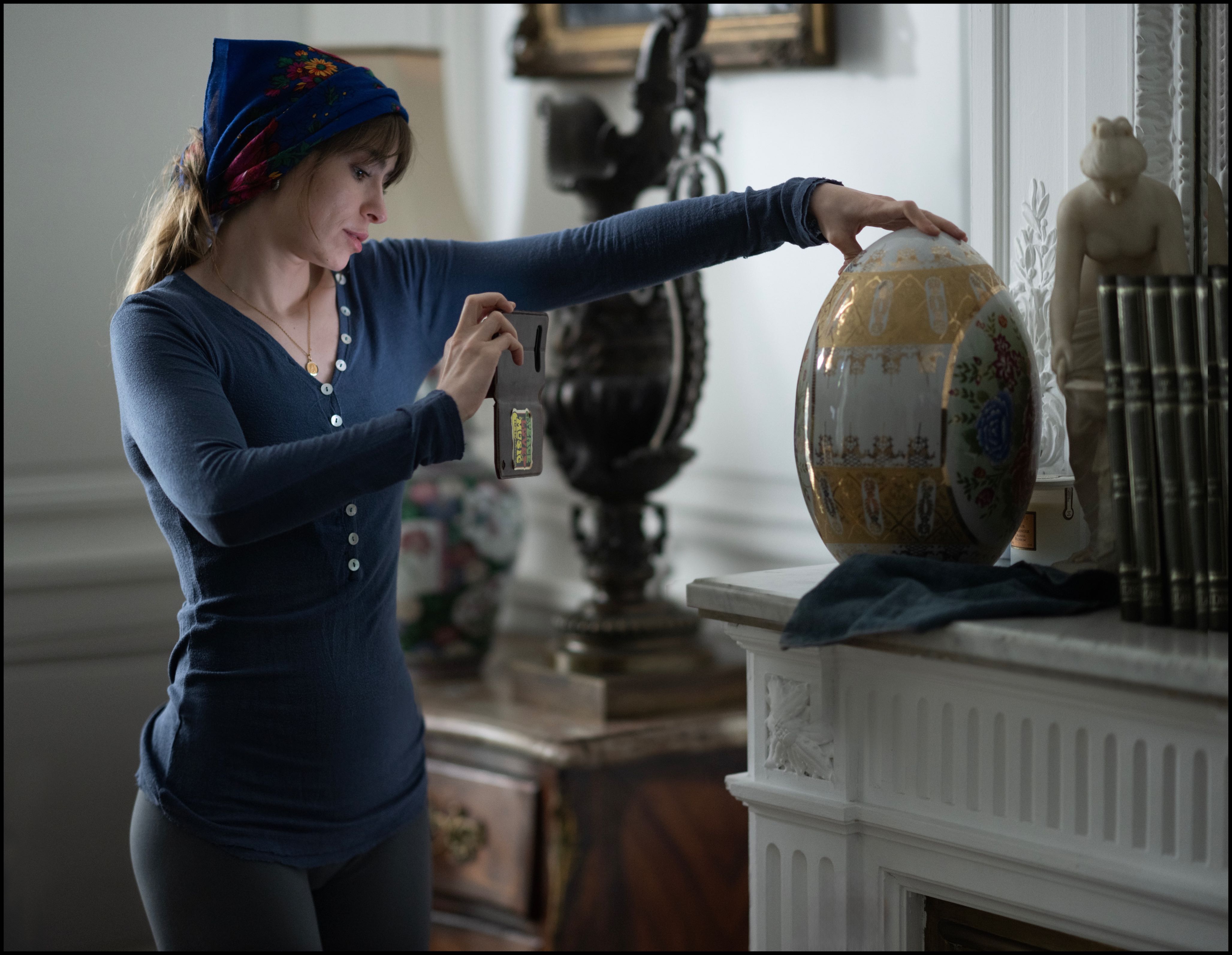
The quote would’ve worked if there had been any friction between the object and the camera. Lavey and McCanne’s filmmaking choices seem to be mostly based on dissociation, but this, in fact, adds a clean sheen to the film to a point that completely smoothed the friction of historical recreation onscreen, as viewers obtain a perfectly clear understanding that this is entirely an emulation. I forgot where, but I once encountered someone who said that every film is, in a sense, Brechtian. The ontological presence of the camera automatically asserts a sort of tension for what we put in front of it. Bresson, Straub/Huillet, Reis/Cordeiro allow their models/non-actors/peasants to stand in front of the camera and speak, not because of detachment, but because their physical presence offers a form of intimacy with the frame that even the greatest dramatic actors cannot provide. Obvious/dull acting does not equal non-acting; there is no sense of real here. I thought again about the first film I watched from this year’s Flash competition, Little Poems in Prose, and wonder if those Romanian TikTokers are Brechtian as well, indefatigably performing in front of the camera and eager to express themselves and entertain.



Leave a Reply